Some dreams feel like you’re looking at your life through the wrong end of a telescope. Everything familiar is suddenly distorted, and the most familiar thing of all, your own body, becomes a strange and unpredictable landscape. Waking up from a dream where you were suddenly tiny enough to hide in a teacup, or so large you could barely fit in your own house, can leave you feeling disoriented long after you're awake.
This is a common and surprisingly rich dream theme, a way our minds play with perspective when we’re asleep. These interpretations are meant to spark reflection and curiosity, not serve as any kind of psychological advice.
Quick takeaways:
- If you're feeling unheard or overlooked in a specific situation, your mind might dream of you shrinking to an insignificant size.
- Conversely, dreaming of growing uncontrollably large can reflect a fear of new responsibilities being too much to handle.
- This dream is your mind's literal playground for your 'body schema': your internal, neurological map of yourself, which can be playfully edited during sleep.
- Pay attention to your emotional reaction in the dream. Feeling powerful and large is entirely different from feeling monstrous and clumsy.
The Funhouse Mirror of the Self
Your brain works tirelessly to maintain an internal ‘map’ of your body, a sense of where you begin and end. In waking life, this map is constantly updated by physical feedback, keeping it anchored to reality. But in a dream, that anchor is gone. Your mind is free to play in the workshop of the self, stretching, shrinking, and warping your form to explore ideas that are too abstract for waking life. This can show up as the classic dream-frustration of having giant, clumsy hands that can’t pick up a tiny, important key, or trying to flee a threat on legs that have suddenly become short and useless.
The freedom of the dreaming mind to construct a virtual body, completely untethered from physical muscles or sensory input, is a fascinating field of study. As philosopher Thomas Metzinger describes it, dreaming is a state of "minimal phenomenal selfhood," where the brain proves it can build a stable first-person world from scratch. So is the dream a direct symbol of your social influence, or is it a more literal celebration of the mind’s bizarre freedom when it’s offline? It might just be both at once.
Big Feelings in a Strangely-Sized Body
The most telling clue in this dream is often not the size change itself, but the feeling that comes with it. Growing to the size of a house might feel terrifying and monstrous, a clumsy giant terrified of breaking everything you touch. Or it could feel powerful and protective, a joyful guardian watching over the people you love. The same transformation can hold wildly different emotional weights. The size change is the theater; the feeling is the play.
Here, the line between deep symbolic meaning and simple biology gets beautifully blurry. A 2024 paper by Erica Hyatt and Jan Dirk Blom explores Alice in Wonderland syndrome, a neurological condition where people perceive their body parts or external objects as shrinking or growing. These sensory tricks are strongly linked to the transitions into and out of sleep. This presents a genuine interpretive tension. The dream can feel profoundly meaningful, tapping into deep anxieties or aspirations, while its trigger might be a purely neurological flicker in the brain, a sensory distortion with no deeper 'purpose' at all.
From Wonderland to Mount Olympus
Our stories and myths are filled with characters who shrink and grow, which suggests this is a fundamental way humans have always conceptualized shifts in power and perspective. Lewis Carroll’s Alice shrinks when she feels vulnerable and powerless, and grows to an awkward, unwanted size when she feels out of place. Her size is a direct reflection of her social discomfort.
Contrast that with ancient myths of giants, who often embody untamed nature, a primordial power that threatens the established order of gods and men. These stories tap into a shared symbolic language. When we dream of changing size, are we accessing this ancient, universal vocabulary to understand our own lives? Or are we simply applying familiar stories after the fact to a personal, neurological event that has no inherent narrative? There’s no settled answer, and the dream holds space for both possibilities.
When You're the Only Thing Staying the Same
Sometimes, the dream flips the script. You don't change at all, but the world around you begins to shrink or grow. You might dream of being in your childhood bedroom, only now it’s impossibly small and you’re squeezed into it, suggesting you’ve outgrown old comforts or family dynamics. Or you dream that your office has become a vast, empty warehouse where you can’t reach your desk, a potent symbol for feeling isolated and overwhelmed at work.
This shifts the dream’s focus from your identity to your environment. It asks you to consider how your surroundings are making you feel trapped or adrift. Interestingly, this can also reflect a resistance to change. A 2021 study by Alessandra Giordano and colleagues found that many people who undergo limb amputation continue dreaming of themselves with their limbs intact for months. This shows how incredibly resistant our internal body map can be. So while a dream of a changing world seems to be about your environment, it could also be about your own deep-seated reluctance to adapt to a new reality.
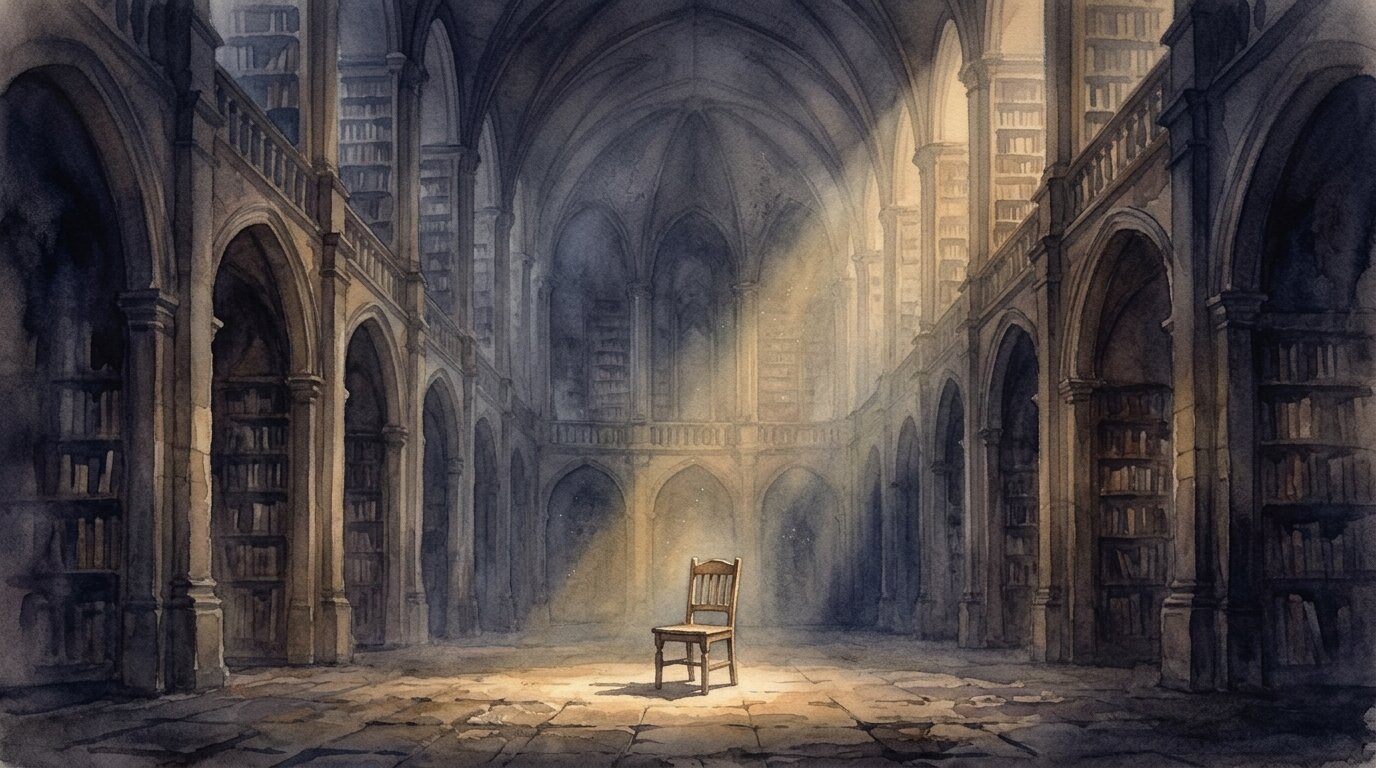
Where Your Body Map and Life Map Don't Align
This dream often appears when your internal sense of self is out of sync with a major change in your life. A recent graduate starting their first “real” job dreams they are a child wearing an oversized suit, sitting at a giant desk. Their self-concept (‘a kid’) hasn’t yet caught up with the reality of their new role. Your life map has been redrawn by a new job, relationship, or loss, but your internal body map is still working from the old blueprint.
Our waking life experiences can directly redraw this dream map, sometimes in very literal ways. A large-scale survey of over 3,000 amputees published in PLOS One found a fascinating connection: while many dream of themselves as intact, the presence of physical pain in their residual limb was strongly associated with dreaming of themselves as physically impaired. This complicates the idea that our dream-body is a pure symbol of identity. It suggests the dream is also a canvas for our immediate, waking discomforts.
Questions for Finding Your Own Size
- In what specific area of your life right now do you feel ‘too big’ or ‘too small’ for the role you're in?
- Think about the setting of your dream. Was it familiar or strange? How did your size relate to the objects and people around you?
- What was the core emotion underneath the size change: was it fear, power, freedom, or embarrassment?
- If you changed size, was it sudden and shocking, or slow and gradual? What might that pacing say about the changes you're experiencing in waking life?
- Did you want to stay that size, or were you trying to get back to ‘normal’? What might ‘normal’ mean for you right now?
Embracing the Shape-Shifter Within
These dreams are not a sign that your self-perception is broken. They are an exploration of just how fluid and adaptable your sense of self truly is. To feel ‘big’ in one context and ‘small’ in another isn’t a flaw; it’s a sign of your ability to respond to the world around you. Your dreaming mind simply takes that reality and turns it into a private theater of metaphor. Be curious about the next form your dream-self decides to take.
If this dream brought something new to the surface for you, consider sharing it with our community. You might also find resonance in related explorations, such as Why You Dream About Being Unable to Run or what it means when you find yourself in a dream of a house with endless rooms.

Written by Julian Thorne
Contributing Writer · Mythic & Archetypal Symbolism
Julian Thorne explores the universal metaphors in human storytelling, drawing upon comparative mythology, literature, and archetypes.
At DreamAtlas, interpretations are symbolic reflections grounded in universal human themes and peer-reviewed research, not clinical or medical advice.
Want to understand our approach? Read about our editorial standards →
Categories
Popular Symbols
Themes
Recent Posts
What It Means When You Dream About Wolves Howling in the Distance
October 08, 2026Dreaming of Butterflies Landing on You
October 06, 2026Why You Dream About Bears in Your Home
October 01, 2026Dreaming of Dolphins – Intelligence, Connection, and Emotional Depth
September 29, 2026What It Means When You Dream About Swarms of Bees
September 24, 2026About DreamAtlas
Your guide to exploring the symbolic meaning of your dreams. We offer thoughtful, reflective interpretations grounded in universal human themes.
Learn More
Comments