There’s a unique chill to a sound that arrives long before its source is visible, a sound that feels like it’s echoing not just across a landscape, but across time. The distant howl of a wolf in a dream is exactly that. It isn’t a jump scare or a sudden threat; it’s a note of wildness that hangs in the air, a haunting melody that is equal parts warning and invitation, leaving an imprint on you long after you’ve opened your eyes.
We're here to explore that echo with you. These interpretations are meant to spark reflection, not to serve as any kind of medical or psychological advice.
Quick takeaways:
- A distant howl can be your mind's early warning system for a conflict or change you already sense is on the horizon.
- That haunting sound might represent your own suppressed voice or wilder instincts, calling out from the margins of your busy life.
- Because the sound is far off, your dreaming mind is giving you space to prepare rather than react in panic.
- How you felt about the howl (whether threatened and vulnerable, or strangely hopeful) is the most important clue to what it means for you right now.
The Echo Across the Tree Line: Signals of Approaching Boundaries
Hearing a wolf howl from far away in a dream is often your mind’s way of giving you a heads-up. It’s a signal that something you’ve perhaps been vaguely aware of is gathering momentum. This could be a major reorganization at your company that’s been whispered about for weeks, or an unspoken tension in a friendship that’s finally nearing a point where it can’t be ignored. The howl is the sound of a boundary being tested or a new reality approaching, long before it arrives at your front door.
The real tension here is in how you interpret the signal. It’s easy to hear it as a threat to your security, a warning to lock the doors and brace for impact. But it can also be seen as an essential wake-up call, a chance to prepare your own territory. This isn't about fighting off a predator; it’s about understanding what part of your life needs your attention and strength. Research on how dreams function supports this idea. A 2023 article in Frontiers in Psychology by N. H. Abbas and D. R. Samson suggests that during times of stress and perceived isolation, our dreams ramp up their threat simulation features, creating scenarios that help us prepare for challenges.
A Shiver in the Auditory Dark: Why Sound Reaches Us Before Sight
Have you ever woken from a dream with your heart pounding, not from something you saw, but from a sound you heard? A mournful howl that cut through a dense dream fog can leave a much deeper emotional residue than a clear image of a wolf. That’s because sound, especially in our sleep, can bypass the mental filters we use when we’re awake. It hits us on a purely instinctual level.

This experience creates a fascinating emotional conflict. On one hand, you feel deeply vulnerable, exposed to an unseen force in the auditory dark. On the other hand, that same sound can awaken your own primitive, protective instincts, a part of you that is wild and ready. Recent work covered by Neuroscience News helps explain why this is so potent. Neuroscientists have identified a direct neural shortcut that allows alarming sounds to trigger our fear and alertness centers before our conscious mind even has a chance to identify what it’s hearing. That jolt of adrenaline you feel is your body’s ancient wiring doing its job perfectly.
Guardians of the Boundary: Pack Dynamics and Mythic Calls
In fairy tales, the wolf is often the villain. But in older myths and folklore, the wolf’s howl is a much more complex signal. It’s a bioacoustic tool that defines territory, calls the pack together, and sometimes marks a place as sacred or forbidden. When you dream of hearing this sound, you might be tapping into this ancient, archetypal role. The howl could be a boundary marker, a message that you are approaching the edge of a safe space, or that something is trying to cross into your personal domain.
Here is where interpretations can get tricky, because the wolf carries a dual symbolism that is hard to reconcile. Is this the lone predator of dark tales, or the loyal pack guardian, the she-wolf who raised the founders of Rome? The dream doesn’t always give you a clear answer. This is one of those places where you have to trust your gut feeling. The dream might be pointing to a fear of being ostracized from your pack, or it might be a celebration of the fierce loyalty you feel for your own. Antonio Zadra at the Université de Montréal has shown that while threat dreams are common, very few are about literal animal attacks, suggesting our minds use these powerful animal symbols to work through more complex social and emotional issues.
Shifting Sounds: How Pitch, Distance, and Response Change the Message
Not all howls are created equal. The specific details of the sound in your dream can dramatically shift its potential meaning. Was it a single, lonely cry, or a chorus of a full pack? A lone howl often points to feelings of isolation, either your own or someone else’s you are sensing. A chorus, however, might speak to a deep need for community and belonging, the feeling of being part of something larger than yourself.
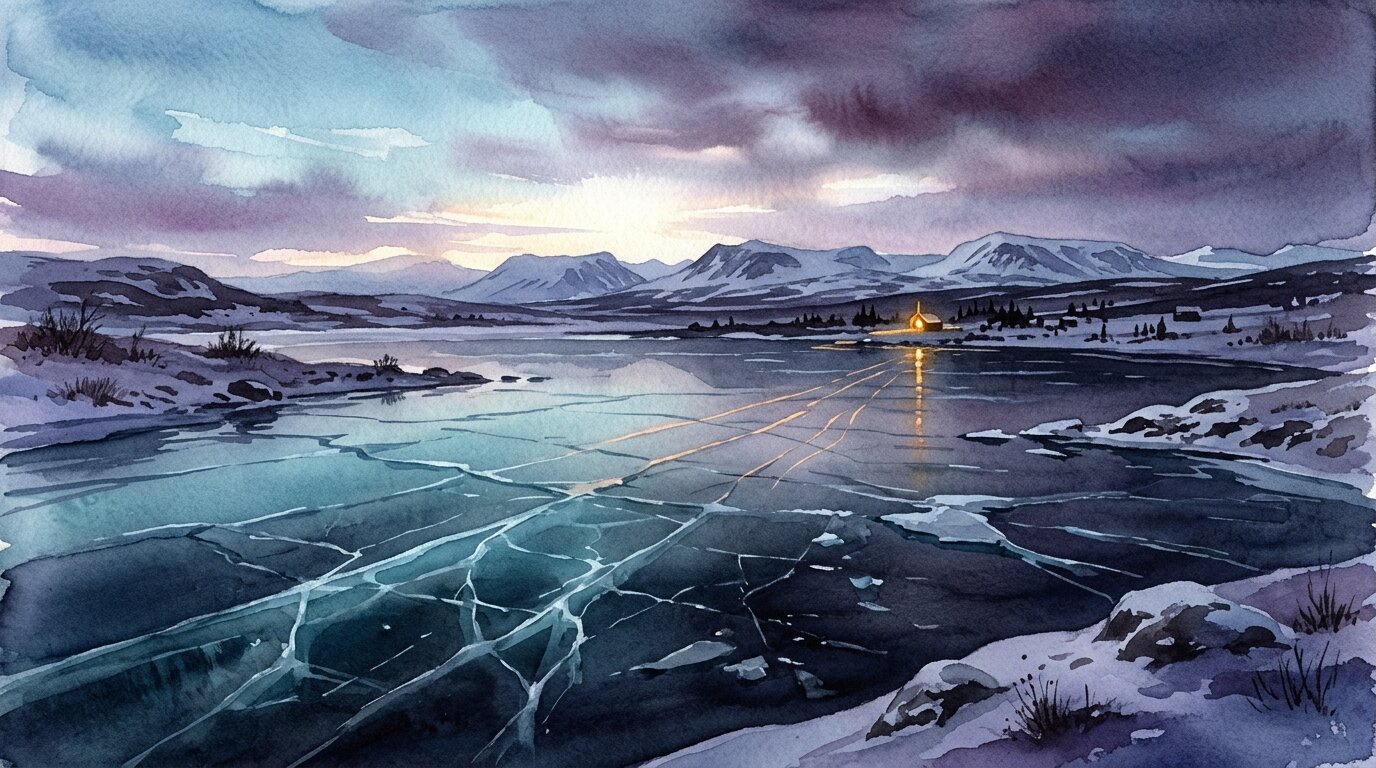
The distance matters, too. A howl that seems to be getting closer can ramp up anxiety, mirroring a problem in your waking life that feels like it’s escalating. But what if, in the dream, you weren’t afraid? The most powerful variation of this dream occurs when you hear the howl and, instead of running or hiding, you answer it. This act of howling back is a potent symbol of integration, of claiming a part of your own power, instinct, or voice that you may have kept silent for too long. Further research from Antonio Zadra at the Université de Montréal highlights how the kinds of threats we dream about change as we grow, shifting from animal confrontations in youth to more complex social conflicts in adulthood. Answering the howl could symbolize a maturation, a new way of facing your challenges not with fear, but with your own full-throated voice.
Mapping Your Horizon: What the Distant Sound Asks of You
Ultimately, a dream like this turns your attention to the horizon of your own life. It asks you to scan the distance and notice what you’ve been ignoring. Where are you feeling cut off from your "pack," the people who share your values and offer you strength? The dream could be a reflection of a corporate job that has slowly silenced your creative passions, leaving your true self feeling like a distant observer of your own life. Hearing that call is a prompt to check your inner compass.
The friction this dream exposes is the classic conflict between the comfortable, predictable routine and the wild uncertainty that comes with honoring a deeper truth. Staying put is easier. Answering the call to find your community or reclaim your authentic voice requires courage and a willingness to step into the unknown. A paper in Frontiers in Human Neuroscience by Kieran C. R. Fox and G. William Domhoff connects dreaming to the same brain network active during waking mind-wandering, suggesting that our unexpressed emotional concerns and social desires are precisely what get converted into these vivid dream soundscapes.
Questions to Help You Decode the Echo
Sit with these questions for a while. You don’t need immediate answers; just let them linger and see what surfaces.
- What issue or conflict in your waking life feels like it is lingering in the distance, waiting to approach?
- Did the sound of the howl stir feelings of lonely vulnerability, or did it awaken a sense of wild, protective instinct?
- Where in your life are you holding back your true voice or suppressing an instinct that wants to be heard?
- Are you currently feeling isolated from your community or "pack," and what step could bring you closer to people who share your values?
Listening to the Distance Within
A distant wolf howl in a dream is rarely an omen of something to fear. It is an acoustic beacon from your own psyche, a beautiful and haunting call to heighten your awareness, prepare your boundaries, and listen for the echo of your own authentic voice. It asks you to pay attention not to the creature in the dark, but to the part of you that recognizes the call.
The wildness you hear in the dream is often just your own, waiting for an answer.
Had a dream you can’t stop thinking about? You can share it with us. You might also find some helpful reflections in our articles on what it means when you dream of bears in your home or see owls watching you silently.

Written by Claire Sterling
Contributing Writer · Sleep Science & Cognitive Research
Claire Sterling explores how emotional stress and nocturnal cognition shape dreams, synthesizing peer-reviewed sleep research into warm, everyday reflections.
At DreamAtlas, interpretations are symbolic reflections grounded in universal human themes and peer-reviewed research, not clinical or medical advice.
Want to understand our approach? Read about our editorial standards →
Categories
Popular Symbols
Themes
Recent Posts
What It Means When You Dream About Wolves Howling in the Distance
October 08, 2026Dreaming of Butterflies Landing on You
October 06, 2026Why You Dream About Bears in Your Home
October 01, 2026Dreaming of Dolphins – Intelligence, Connection, and Emotional Depth
September 29, 2026What It Means When You Dream About Swarms of Bees
September 24, 2026About DreamAtlas
Your guide to exploring the symbolic meaning of your dreams. We offer thoughtful, reflective interpretations grounded in universal human themes.
Learn More
Comments