Who were you ten years ago? Not just what you did or where you lived, but who you were. What did you worry about in the middle of the night? What made you laugh without thinking? Sometimes, your dreaming mind doesn't ask with words. It just hands you a picture.
To dream of an old photograph is to do a kind of personal archaeology. Your mind is digging up a fossil of a former self, a frozen moment from your own story, and holding it up to the light. These interpretations are meant to spark reflection, not serve as medical or psychological advice, but they can help you understand what your mind is trying to see.
Quick takeaways:
- A photo of a place, like a childhood home, can be a symbol for an entire era of your life and the feelings that came with it.
- If you dream of an unfamiliar photo, it could represent a quality you need to develop—like your own inner "symbolic ancestor."
- A torn or faded photo doesn't mean the memory is broken; it often symbolizes that you are processing and letting go of the past's emotional weight.
- The dream is often a mirror, asking if the person in the photo is a stranger to you now or a core part of who you still are.
A Faded Picture, A Vivid Message: A Story in a Single Frame
Sometimes the photograph in a dream isn't just an object; it’s the whole set. It’s what researchers call a "Contextualizing Image"—a single, powerful visual that provides the entire emotional backdrop for a scene. Think of dreaming of a crisp, clear photo of the house you grew up in. The dream isn't necessarily about the floor plan or the color of the shutters. It’s using the image of the house to flood your mind with the entire feeling of that time: safety, belonging, a world that felt simpler.
While the images can feel like direct replays, research shows dreams rarely contain perfect, movie-like memories. Instead, they’re more like collages. According to research in Scientific Reports, Plailly et al. found that dreams incorporate fragmented visual and episodic material rather than exact replays, linked to how the brain consolidates memories. This construct is known as "constructive episodic simulation"—the brain takes fragments from multiple past experiences and weaves them into something new. This means your mind isn't just remembering; it's actively creating a new story about your past by blending different pieces together. A meta-analysis published in Sleep found a significant correlation between dream content and memory consolidation processes, suggesting that dreams of old photographs represent your mind actively integrating past experiences into your developing sense of self.
This is where the tension lies. That warm feeling the photo brings up can be a comforting reminder of your roots. But it can also be a quiet question: are you romanticizing the past to avoid something difficult in your present? Is it a healthy foundation or a place you’re hiding?
Capturing Souls on Film: The Faces in the Frame
When the photograph is of a person—a parent, a long-lost friend, an ancestor you never met—the focus shifts. The dream isn't just about a time or a place, but about a relationship or a quality that person represents.
For instance, you might dream of a group photo from your first job, but your eyes keep getting pulled to the face of a former mentor. This isn't random. It could be your mind’s way of calling up that person's supportive energy or wisdom as you face a new professional challenge. You’re not just remembering them; you're borrowing their strength. The dream is a reminder that their influence is still part of you.
But what if the face in the frame belongs to someone you had a difficult relationship with? This is where interpretations genuinely split. For some, this is a clear signal to work toward forgiveness or resolution, a chance to finally process the lingering emotional static. For others, it’s simply the brain doing its nightly cleanup. A 2024 study by UC Irvine's Sleep and Cognition Lab, published in Scientific Reports, found that dream-recallers showed significantly better emotion regulation, with reduced emotional severity of negative memories. Your dream might not be asking you to forgive them; it might just be helping you feel the weight of that history a little less.
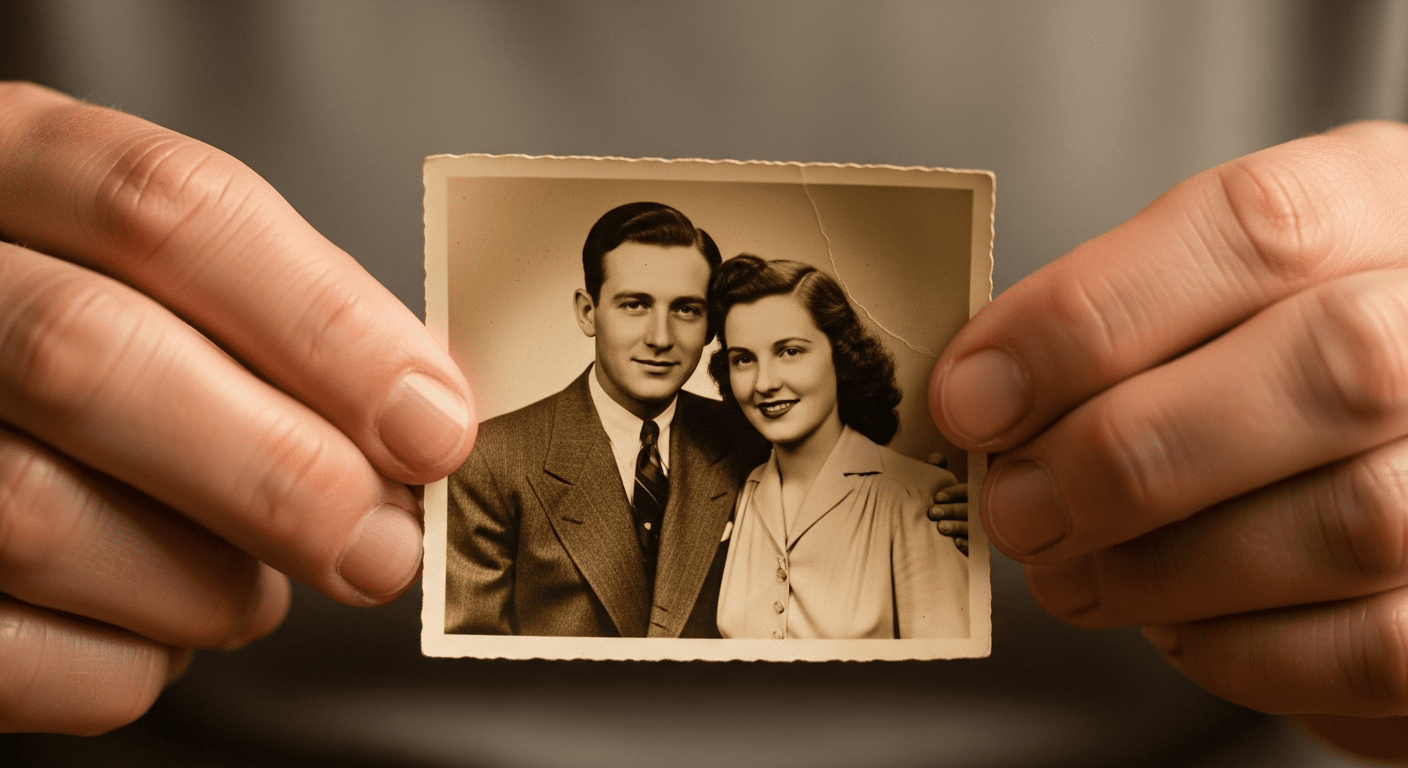
A meta-analysis published in Sleep found a significant correlation between dream content and memory consolidation processes, suggesting that dreams of old photographs represent your mind actively integrating past experiences into your sense of self.
When the Photo is Torn, Faded, or Unfamiliar
Not all dream photographs are pristine. Sometimes they’re torn, water-damaged, or faded to near-invisibility. It’s easy to see this as a broken memory, but it often symbolizes the opposite: a memory that’s being successfully processed. A faded photo can mean you’re letting go of the sharp emotional charge attached to that time, even as you hold onto the lesson. The past is becoming less of a raw nerve and more of a soft, distant landscape.
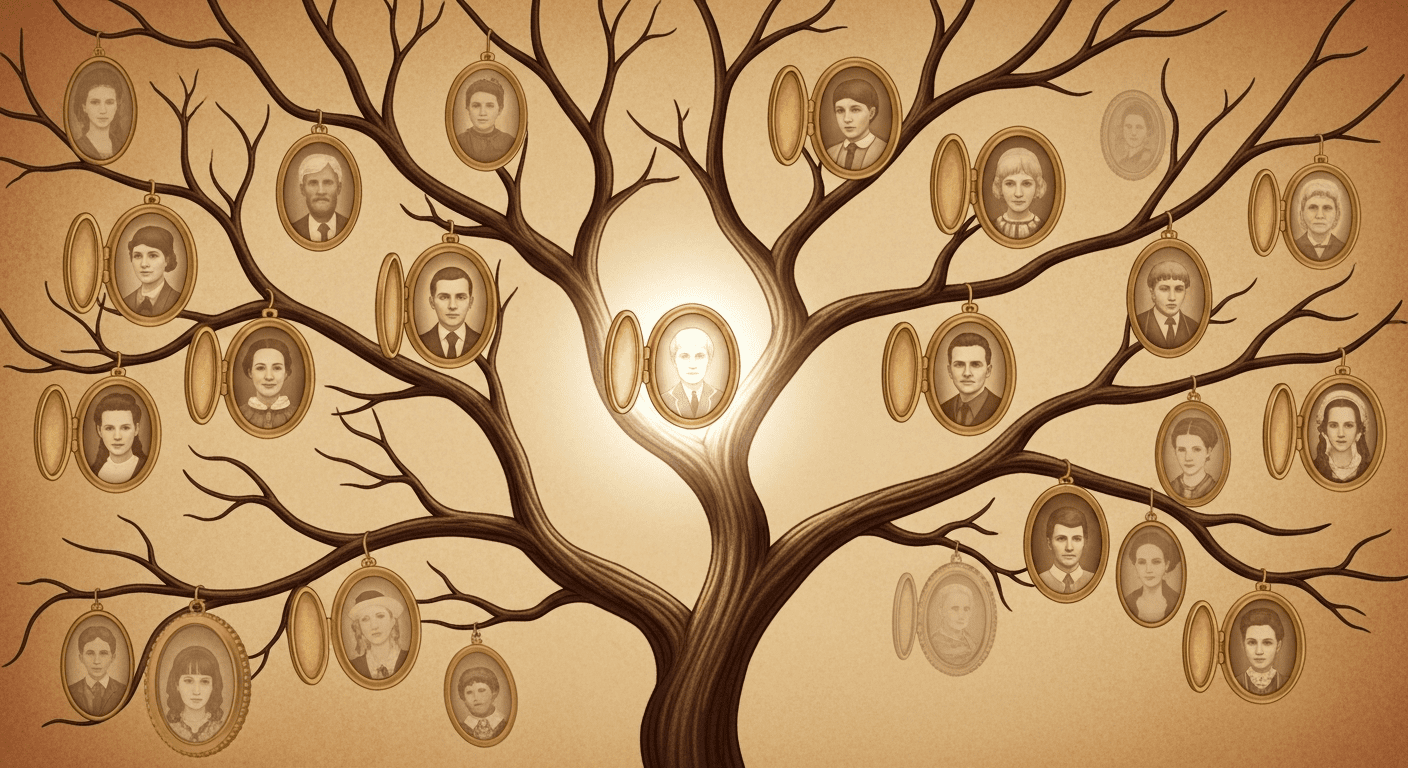
Then there are the truly strange dreams: you find a box of old photos, but you don’t recognize anyone in them. You might dream of a sepia portrait of a stern-looking, unknown woman from the 19th century. This figure isn’t a ghost; she’s what we might call a "symbolic ancestor." She represents a part of your own potential that you haven't met yet but may need to connect with. Her sternness could symbolize a need for more discipline in your life, her old-fashioned resilience a quality you need to find in yourself.
The tension here is about preservation. Is a faded photo a sign of healthy moving-on, or is it a warning that you're losing touch with a valuable part of your past that you should try to hold onto? Only you can feel the difference.
Bringing the Past into Your Present: Questions to Ask Your Waking Self
Ultimately, a dream about an old photograph is an invitation. It’s asking you to bridge the gap between who you were and who you are now. It wants you to consider what that past self, frozen in a single moment, could teach your present self. Research published in Sleep Advances indicates that dreams help integrate new experiences into your autobiographical memory and sense of self, allowing you to weave together your history into a coherent identity. In this way, old photographs in your dreams aren't just about the past—they're about building who you're becoming.
After dreaming of a photo of yourself looking awkward and shy at a high school dance, you might ask: "In what situations today do I still revert to that shy teenager? Is that defensiveness still serving me, or is it holding me back?" Seeing these threads connect across time can be incredibly empowering.
Of course, it can also feel a little discouraging. You might look at the person in the photo and wonder how much you've really changed, or how much you're still bound by the same old patterns. But the dream isn't a judgment. It's just a report from your own personal archives, a piece of data about the story you've been living.
Reflection Questions
When you're ready, it can help to sit with a few questions. Don't search for answers, just see what comes up.
- What was the first feeling that hit you when you saw the photograph in your dream? Was it warmth, regret, longing, or something else entirely?
- Who is the person in the photo, and who are they to you now? If it's you, how is that past self different from or similar to your present self?
- If the photograph could speak, what one-sentence message would it have for you today?
- What part of your life right now feels like it's being "developed" in the dark, waiting to become clear?
A Second Look
A photograph in a dream is a container for time. It holds a version of you, a relationship, or a feeling that is still alive somewhere inside you. Your dreaming mind brings it forward not to trap you in the past, but to show you how deeply the past informs your present. It’s a chance to see your own history with fresh eyes and decide what parts of the story you want to carry forward.
Your past isn't haunting you; it's just asking for a second look.
If this dream is still with you, share it with us. Or keep exploring other common dreams, like what it means when you dream about your childhood home.

Written by Julian Thorne
Contributing Writer · Mythic & Archetypal Symbolism
Julian Thorne explores the universal metaphors in human storytelling, drawing upon comparative mythology, literature, and archetypes.
At DreamAtlas, interpretations are symbolic reflections grounded in universal human themes and peer-reviewed research, not clinical or medical advice.
Want to understand our approach? Read about our editorial standards →
Categories
Popular Symbols
Themes
Recent Posts
Dreaming of Alarms Going Off Everywhere
October 27, 2026Why You Dream About Being Chased by Something You Can’t See
October 22, 2026Dreaming of Failing a Simple Task Repeatedly
October 20, 2026What It Means When You Dream About Being Judged by a Group
October 15, 2026Dreaming of Snails – Patience, Delay, and Quiet Persistence
October 13, 2026About DreamAtlas
Your guide to exploring the symbolic meaning of your dreams. We offer thoughtful, reflective interpretations grounded in universal human themes.
Learn More
Comments