You wake up with your heart pounding and your face flushed. For a split second, you are still in the middle of a heated, exhausting argument. You can still hear their voice ringing in your ears. You can still feel the hot sting of frustration in your chest. Then the dark room comes into focus. The adrenaline fades into a cold, heavy realization. The person you were just fighting with is gone. You grab your phone in the dark, searching for answers, wondering why your brain would torture you like this. Why would your own mind conjure up a fight with someone you miss so terribly?
These interpretations are meant to spark reflection, not serve as medical or psychological advice. But if you have had this dream, you are not alone. It is a profoundly common experience, and it holds a lot more beauty than you might think right now.
A Reassuring Sign That Your Connection is Still Alive
When we lose someone we love deeply, we usually hope for a peaceful visitation dream. We want them to appear in a warm, glowing light, smile at us, and tell us everything is okay wherever they are. We want closure. Waking up from a screaming match with them feels like a harsh betrayal of that hope. You might feel a sudden, heavy rush of guilt. You might wonder if they are upset with you, or if your memory of them is somehow tainted.
The answer to both of those fears is a resounding no. Real relationships are messy. They contain friction, misunderstandings, and plenty of annoyance. Dreaming of a fight actually shows that your bond is still dynamic and evolving. You have not just placed this person on a static, idealized pedestal. You are still interacting with them as a flawed, complex human being. Society often expects grief to be quiet and sad. But grief is often loud, angry, and chaotic.
The concept of continuing bonds with the deceased is well documented in grief research. Scholars like Klass, Silverman & Nickman have explored continuing bonds in bereavement and note that maintaining a relationship with the deceased is a healthy, widespread way the mind processes loss. It is your brain keeping the relationship alive in all its vibrant, complicated reality. You are still in a relationship with them. It just looks different now.
The Safe Dreamscape Where We Can Finally Be Honest
Think about the last months or years of your loved one's life. When someone is sick, aging, or fading away, we often swallow our own frustrations. We suppress our stress to be a good caregiver. We bite our tongues because getting angry at a dying person feels incredibly wrong. We put our own needs on hold.
But those bottled-up feelings do not just disappear. They wait for a safe place to surface. The dream space acts as an emotional pressure valve where those suppressed emotions finally get to breathe. Your mind creates a secure, private room where you can have the unfinished conversation. You can finally yell the things you never allowed yourself to say out loud. You might scream, "Why did you leave me?" or "I am still mad about what happened ten years ago." You might even be expressing the complex, taboo anger of feeling left behind to handle the aftermath of their death.
This is not a malfunction of your grief. It is a necessary release. Recent research published in Nature Communications shows that REM sleep contributes to emotional memory consolidation. It acts as a safe virtual reality simulator where your brain can process heavy, negative emotions without any real-world consequences. Having that explosive argument in your sleep is actually your brain's way of lowering your emotional distress and fear during your waking hours. It is doing the heavy lifting while you rest so you can carry the grief a little easier during the day.
The Ancestor as a Challenger: Mythic Views on Dreaming of the Dead
If we look back through history, folklore traditions often view visits from the dead very differently than we do today. Modern culture expects the dead to be gentle and quiet. But in many older traditions, the dead do not just return to offer comfort. They return to test, challenge, or push the living.
You can think of this dream argument as a variation of the old mythic trope of wrestling with an angel. It is a fierce struggle that is ultimately meant to leave you stronger. It imparts a hard-earned lesson or proves your readiness for a new chapter in your life.
If you are currently facing a tough obstacle in your waking life, the deceased might be symbolically acting as a wise adversary. They are pushing back against your self-doubt. They are making you defend your choices so you can finally believe in them yourself. Think of it like a sparring partner. They are not fighting you to tear you down. They are fighting you to make you stand up taller. They are forcing you to articulate what you truly want and who you are becoming.
When the Fight is About Something Completely Random
Sometimes the dream argument is not about life, death, or abandonment at all. Sometimes you are passionately arguing with your late grandfather about a misplaced spatula. Maybe you are yelling at your deceased sister about the wrong brand of cereal, or fighting with a late friend over a confusing driving route.
This is an incredibly common and relatable scenario. It is a classic example of emotional displacement. The brain sometimes takes the massive, unmanageable pain of grief and attaches it to a tiny, trivial conflict just to let off some steam. It is much easier to process anger over a lost set of car keys than it is to process the permanence of death.
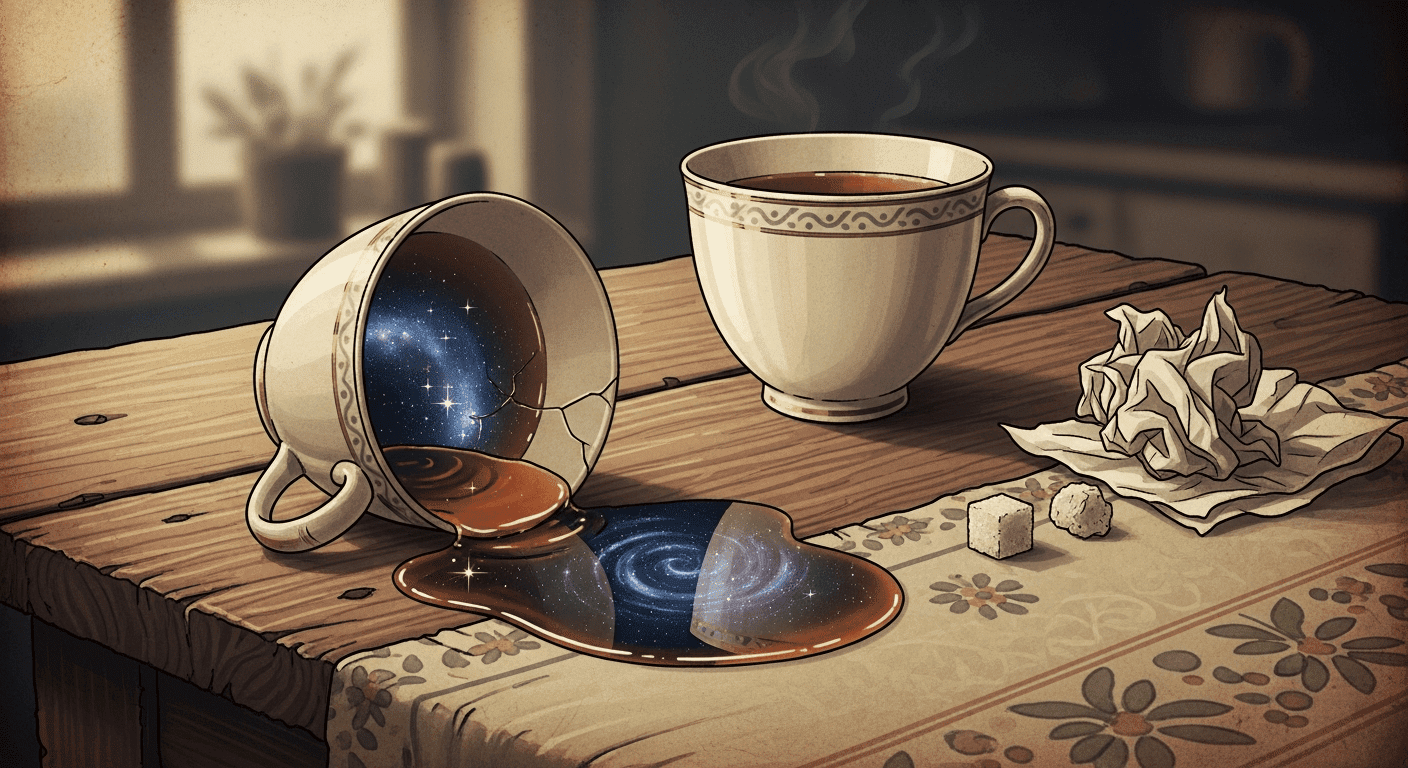
There is also a profound luxury in these silly arguments. We actually miss the mundane bickering. Arguing over how to load the dishwasher implies the person is still here, doing normal, everyday things with us. It means they are still part of the daily fabric of your life. Sometimes your brain just mixes a bad day at work with the familiar, comforting presence of someone you miss. The argument itself does not matter. The comfort is in the fact that they are standing in your kitchen again, arguing about the groceries. It is a strange, bittersweet gift from your subconscious.
What Part of Yourself Are You Actually Arguing With?
Let us look inward for a moment. A common psychological concept called introjection suggests that the people in our dreams often represent pieces of our own psyche. If you are arguing with your highly critical late mother in the dream, you might actually be fighting with your own inner critic that has taken on her familiar voice. You know exactly how she would sound, so your brain borrows her voice to express your own self-doubt. Or perhaps you are arguing with a late sibling who was always fiercely independent. In that case, you might be wrestling with your own suppressed desire for freedom.
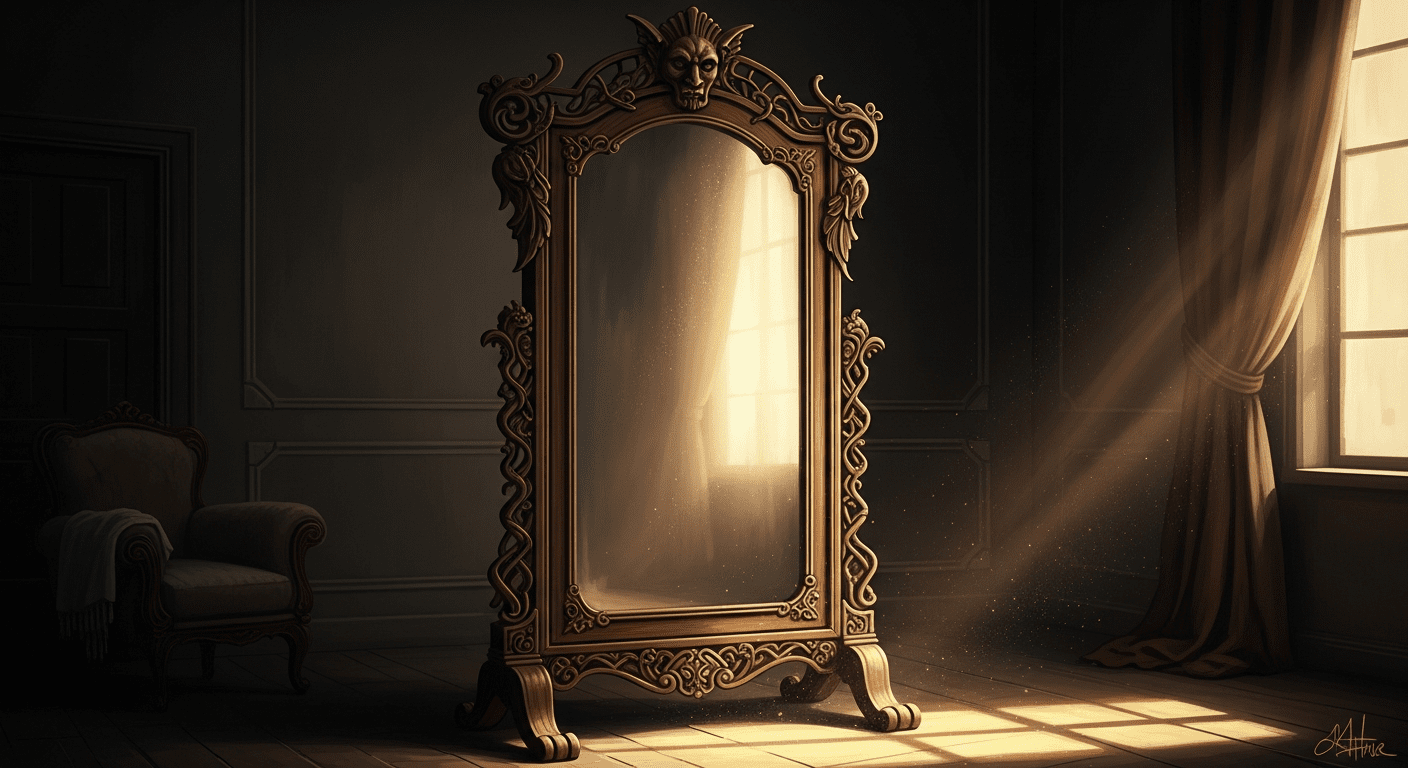
This dynamic often surfaces during a major life transition. Maybe you are changing careers, moving to a new city, or ending a relationship. You are wrestling with what you want versus what you think they would have expected of you. It is also possible you are projecting your own unresolved guilt onto the deceased. You might be making them the punisher in the dream because you subconsciously feel you deserve to be scolded.
If you have been having dreams about your childhood home, you might already be familiar with how your brain uses old, familiar settings and faces to process your current internal conflicts. The argument is an outward projection of an inward debate. You are using their image to figure out your own next steps.
A Few Prompts to Help Untangle the Midnight Conflict
You do not have to figure out exactly what the dream represents right away. Trying to force a perfect interpretation can sometimes just cause more stress. It can help to simply sit with a few questions and see what comes to the surface naturally. Grab a journal, pour a cup of coffee, and ask yourself:
- If you strip away the actual words you were yelling, what was the underlying emotion? Was it actually anger, or was it fear, abandonment, or pure exhaustion?
- In the dream, were you arguing from your current age, or did you feel like a younger version of yourself?
- If they were sitting across from you right now, drinking a cup of coffee, what is the one calm truth you would want to tell them about that fight?
Answering these questions can often diffuse the lingering tension from the dream. It helps you separate the shock of the argument from the deeper, softer truth underneath it.
Waking Up to a Deeper Understanding of Your Grief
Arguing with the dead is not a nightmare to be feared. It is a beautiful, if exhausting, testament to the depth of your love and the complexity of your mind. These midnight conflicts are not reflections of a broken relationship. They are the result of your brain doing the heavy lifting of emotional healing.
Researchers like Stickgold & Walker have documented the functional role of dreaming in emotional processing. Their work shows that our minds use sleep to re-process difficult waking-life events and gradually reduce their negative emotional charge. An argument requires two people to be present. In the quiet, mysterious space of your dreams, your loved one is still very much present with you. They are helping you work through the heavy things you cannot quite carry while you are awake. They are still engaging with you, still challenging you, and still a part of your story.
If you would like a personalized symbolic interpretation of your own complex grief dreams, you can submit your dream at /submit-dream. You can also browse more articles on the fascinating ways our minds process emotion at /blog.

Written by Julian Thorne
Contributing Writer · Mythic & Archetypal Symbolism
Julian Thorne explores the universal metaphors in human storytelling, drawing upon comparative mythology, literature, and archetypes.
At DreamAtlas, interpretations are symbolic reflections grounded in universal human themes and peer-reviewed research, not clinical or medical advice.
Want to understand our approach? Read about our editorial standards →
Categories
Tags
Recent Posts
Why You Dream About Turtles Moving Slowly Beside You
September 17, 2026Dreaming of Horses Running Wild
September 15, 2026What It Means When You Dream About Giant Insects
September 10, 2026Dreaming of Smart Devices Turning Against You
September 08, 2026What It Means When You Dream About a Broken Elevator Panel
September 03, 2026About DreamAtlas
Your guide to exploring the symbolic meaning of your dreams. We offer thoughtful, reflective interpretations grounded in universal human themes.
Learn More
Comments