You know that mini-heart-attack you get when you take a step in the dark and the floor isn't quite where you thought it would be? For a split second, the world drops out from under you. Now, imagine that feeling scaled up to the size of your entire life path. That’s the feeling of dreaming that the bridge you’re crossing suddenly collapses.
It’s a powerful and unsettling dream, and if you’ve had it, you’re in good company. These interpretations are meant to spark reflection and offer some possibilities, not to serve as medical or psychological advice.
Quick takeaways:
- This dream is rarely about a literal bridge; it’s about a "connector" in your life—a job, a relationship, a belief system—that you fear is no longer stable.
- The feeling of falling often points to a situation in your waking life where you feel a total lack of control or support.
- The intense fear you feel in the dream isn't just noise; it might be your brain's way of "rehearsing" for real-world stress, potentially making you more resilient.
- Pay attention to how the bridge collapses. A slow crumble suggests a gradual erosion of trust, while a sudden explosion can point to a shocking betrayal or event.
When Your Path Forward Suddenly Disappears
The strange thing about this dream is that it’s usually not about the destination. You might not even know where the bridge was supposed to lead. The focus of the nightmare is the structure you were counting on to get you there. It’s a dream about a loss of faith in the process, in the very foundation of a plan you thought was solid.
Think of a career path you've followed for years, believing it was a dependable highway leading straight to success. Then, after a company shake-up or a quiet personal realization, that path suddenly feels less like concrete and more like a rickety rope bridge swaying in the wind. The dream holds up a mirror to that feeling of instability. The real tension here is figuring out its source. Is the dream highlighting a real, external threat (the company is in trouble, the relationship is failing), or is it reflecting an internal crisis of confidence? Often, the dream just shows you the wobble without telling you why.
The Emotional Echo of the Fall
The feeling in this dream isn't just fear. It's more specific: a dizzying vertigo mixed with a sense of profound betrayal. It’s the shock of discovering that something you believed to be foundational and permanent is actually fragile and temporary. It’s like finding out a core belief you’ve built your identity around is flawed, or realizing a person you considered your rock is emotionally unavailable. It’s the emotional equivalent of gravity itself becoming unreliable.
While it feels overwhelmingly negative, this dream might actually be a productive "emotional fire drill." Research into how the brain handles fear in dreams suggests that the brain regions that process fear are highly active during nightmares. In a 2019 study, a team including Lampros Perogamvros and Virginie Sterpenich found that the more fear people experienced in their dreams, the less their emotional centers reacted to scary images when they were awake. Your brain might be activating its fear circuits in the safety of sleep to help you better regulate your emotional responses to stress in the real world.
The Bridge in Our Shared Stories
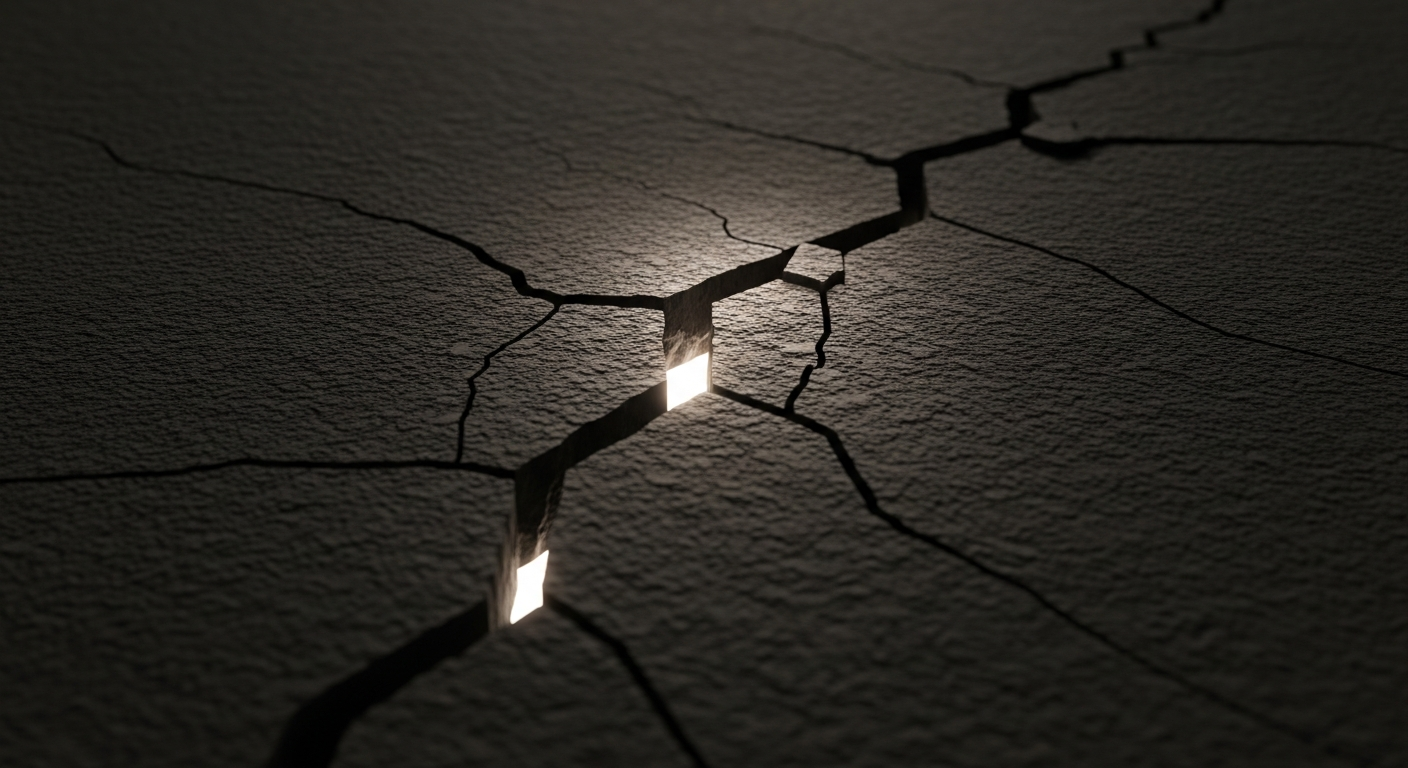
Culturally, bridges are incredibly powerful symbols. They represent irreversible decisions and major life transitions, the moment of commitment where turning back is no longer an option. We have phrases like "crossing the Rubicon" to describe a point of no return, or we warn each other "don't burn your bridges." The collapse in your dream taps into this deep cultural understanding that a bridge isn't just a structure, but a choice that changes everything.
This brings up a fascinating question: is the collapsing bridge a tragic symbol of a lost connection, or is it a necessary, albeit terrifying, clearing of a path that was wrong for you? Sometimes, the only way to find the right way forward is for the old one to become completely impassable. The dream forces a stop, making you re-evaluate a journey you were on.
If Your Dream Looked a Little Different…
The specific details of the bridge and how it falls apart can dramatically shift the symbolic meaning. The real story is in the nuances.
- A modern, steel bridge snapping might point to a failure in something you saw as logical, strong, and modern, like a career plan, a financial strategy, or a technological system you relied on.
- An ancient stone bridge crumbling could relate to the collapse of a long-held tradition, a family structure, or a personal belief system you’ve had since childhood.
- A rickety rope bridge fraying often reflects a connection that you already knew was fragile or a risk you took that feels like it isn't paying off.
- If you are the one causing the collapse, it may reflect a subconscious desire to end a situation, burn a bridge yourself, and escape a commitment you feel trapped in.
- The feeling of falling itself is a core element. As noted in a Healthline article by Kristeen Cherney, dreams about falling are extremely common and can reflect waking-life feelings of being insecure, overwhelmed, or out of control.
The people in the dream matter, too. Were you alone on the bridge? If you were trying to save someone else as it fell, the dream might be about your fear of letting others down. If someone else fell and you were safe, it could touch on complicated feelings of helplessness or even survivor's guilt.
What This Bridge Might Represent in Your Life
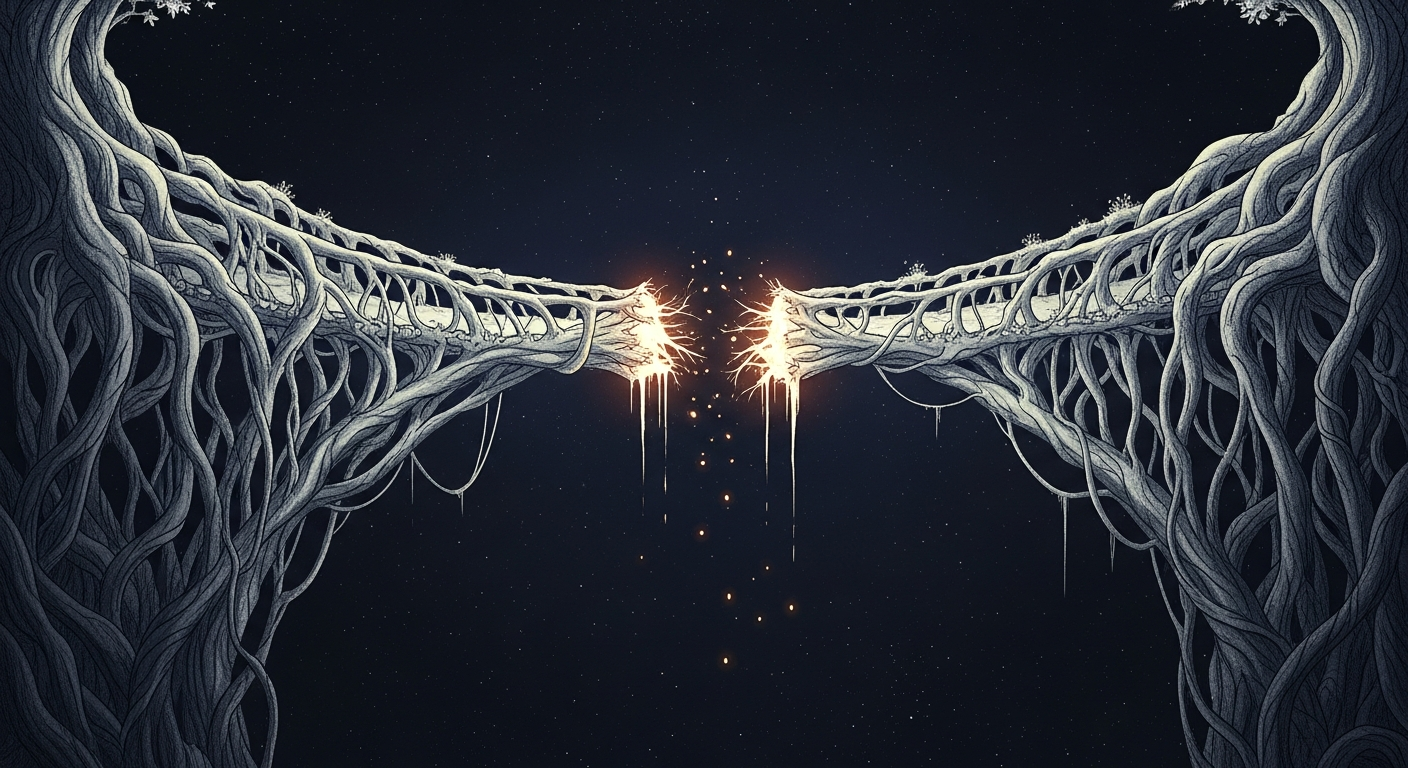
Ultimately, the bridge in your dream almost always symbolizes a psychological or situational "connector" that you rely on to get from one state of being to another. For a student, the bridge might be their degree program, connecting their current self to their future career. For someone in a new relationship, it could be the initial phase of trust and vulnerability, connecting them from being single to being partnered. For someone recovering from an illness, it might be their treatment plan.
The dream asks a potent question: what happens if that very connector feels like it's failing? While it feels like a warning of imminent doom, it could also be an invitation to innovate. Perhaps the collapse isn't a sign to give up, but a prompt to ask if there's another way across. Maybe the answer isn't to find a new bridge, but to build a boat, or learn to swim.
A Few Gentle Questions to Carry with You
You don't have to solve this dream like a riddle. Sometimes it's more helpful to just sit with the feelings it brought up. If you want to explore it a little further, you might gently ask yourself:
- What transition in my life feels the most precarious right now?
- Where do I feel a lack of solid ground beneath my feet?
- What was I counting on that now feels unstable?
- What was on the other side of the bridge, and do I still want to go there?
Finding Solid Ground Again
The dream always ends with the fall, with the terror of the ground disappearing. But your reality always begins with waking up. You are not falling anymore. You are in your bed, safe. This arc is itself a symbol. Even after the most catastrophic collapse of a plan or a belief, you are still present and capable of starting anew.
The dream feels like an ending, but it’s really about what happens after the fall. It’s the moment you realize that even if the bridge is gone, you still have your own two feet on the ground. You have the capacity to survey the landscape and find a new path, even if it’s one you never, ever expected to take.
The dream doesn't provide a new map; it just shows you the old one is gone.
If this dream is still with you, share it with us. Or keep exploring other common dreams, like those about collapsing buildings or being lost.

Written by Claire Sterling
Contributing Writer · Sleep Science & Cognitive Research
Claire Sterling explores how emotional stress and nocturnal cognition shape dreams, synthesizing peer-reviewed sleep research into warm, everyday reflections.
At DreamAtlas, interpretations are symbolic reflections grounded in universal human themes and peer-reviewed research, not clinical or medical advice.
Want to understand our approach? Read about our editorial standards →
Categories
Popular Symbols
Themes
Recent Posts
Why You Dream About Bears in Your Home
October 01, 2026Dreaming of Dolphins – Intelligence, Connection, and Emotional Depth
September 29, 2026What It Means When You Dream About Swarms of Bees
September 24, 2026Dreaming of Owls Watching You Silently
September 22, 2026Why You Dream About Turtles Moving Slowly Beside You
September 17, 2026About DreamAtlas
Your guide to exploring the symbolic meaning of your dreams. We offer thoughtful, reflective interpretations grounded in universal human themes.
Learn More
Comments