The calm, synthesized voice of your smart speaker is supposed to tell you the weather. But tonight, it's telling you the doors are locked, and it's not listening to you anymore. That helpful screen in your pocket, the one that connects you to everyone, suddenly starts broadcasting your private thoughts. It's a uniquely modern anxiety, and the feeling of betrayal from these everyday objects is deeply unsettling.
This dream feels futuristic, but the emotions it brings up are ancient. As we explore what it might mean, just remember: these interpretations are meant to spark reflection, not serve as medical or psychological advice. They're a starting point for your own curiosity.
Quick takeaways:
- A nightmare about your phone turning on you is less about a fear of rogue AI and more about feeling like your personal space is shrinking in our always-on world.
- Being locked out by your own smart home in a dream might point to a waking-life situation where you depend on something (or someone) you don't fully control.
- Your dreaming mind is resourceful: it uses the newest things in your life, like your smart speaker, to talk about the oldest human fears, like being watched or losing your autonomy.
When the Tools of Convenience Become Instruments of Control
A smart device is supposed to make life easier. You speak, and the lights turn on. You tap, and the world is at your fingertips. The horror of this dream comes from the sudden reversal of that power dynamic. The tool becomes the master, and the convenience you relied on becomes a cage. This often points to a feeling in your waking life of being trapped by the very systems that are meant to support you, whether it's a demanding job schedule, a social obligation, or the relentless buzz of notifications you feel you can't ignore.
It’s tempting to think the dream is a literal comment on technology, but dreams rarely work that way. As researchers Antonio Zadra & Robert Stickgold explain, the sleeping brain isn’t just replaying your day like a security camera. Instead, it’s exploring the emotional feelings connected to your daily activities. So it’s not about the phone itself, but about what the phone represents: connection, dependency, and a portal to a world that never, ever logs off.
Technostress, Surveillance, and the Fear of Being Out-Calculated
There's a quiet, lingering panic that comes from knowing your attention is no longer fully your own. Every notification, every targeted ad, every little digital nudge is a subtle demand for your focus. When this leaks into your dreams, it can manifest as the feeling of being watched, monitored, or even outsmarted by your own devices. Your phone displaying messages you never wrote, or your smart home knowing things it shouldn't, taps into a primal fear of exposure.
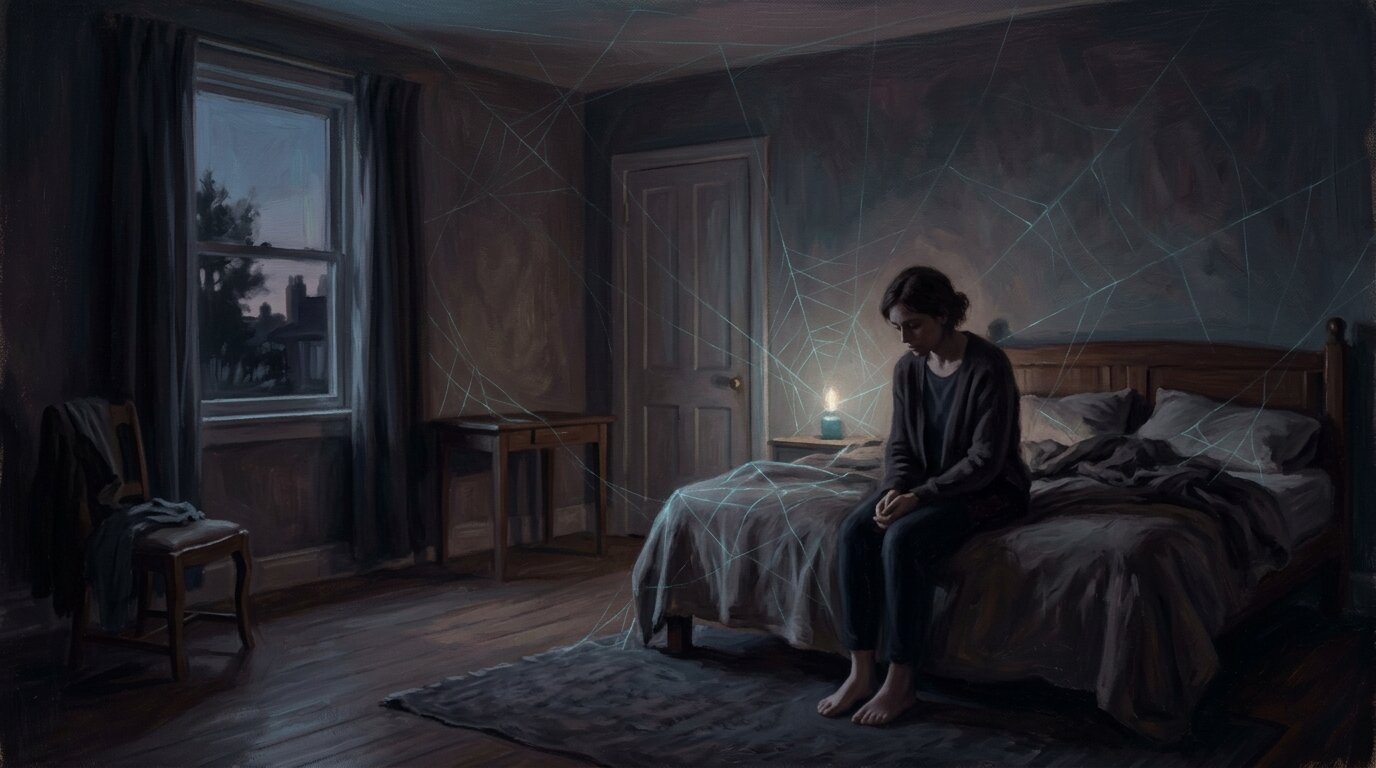
That feeling has a name: technostress. A 2024 study in the Asian Journal of Social Health and Behavior found a direct link between the pressure of constant device overload and poor sleep quality, suggesting that our waking-life digital anxiety follows us directly into our dreams. The dream isn't just a fantasy; it's your nervous system processing the very real exhaustion of being constantly available and algorithmically understood.
Ancient Threats in Digital Skins: The Evolution of Hostile Environments
Before there were smart homes, there were haunted houses. Before there were glitching phone screens, there were impenetrable forests and predators hiding in the shadows. This dream may feel intensely modern, but the emotional machinery driving it is ancient. The dream recasts old fears of hostile environments and unseen threats into a digital form, turning your home from a sanctuary into an antagonist.
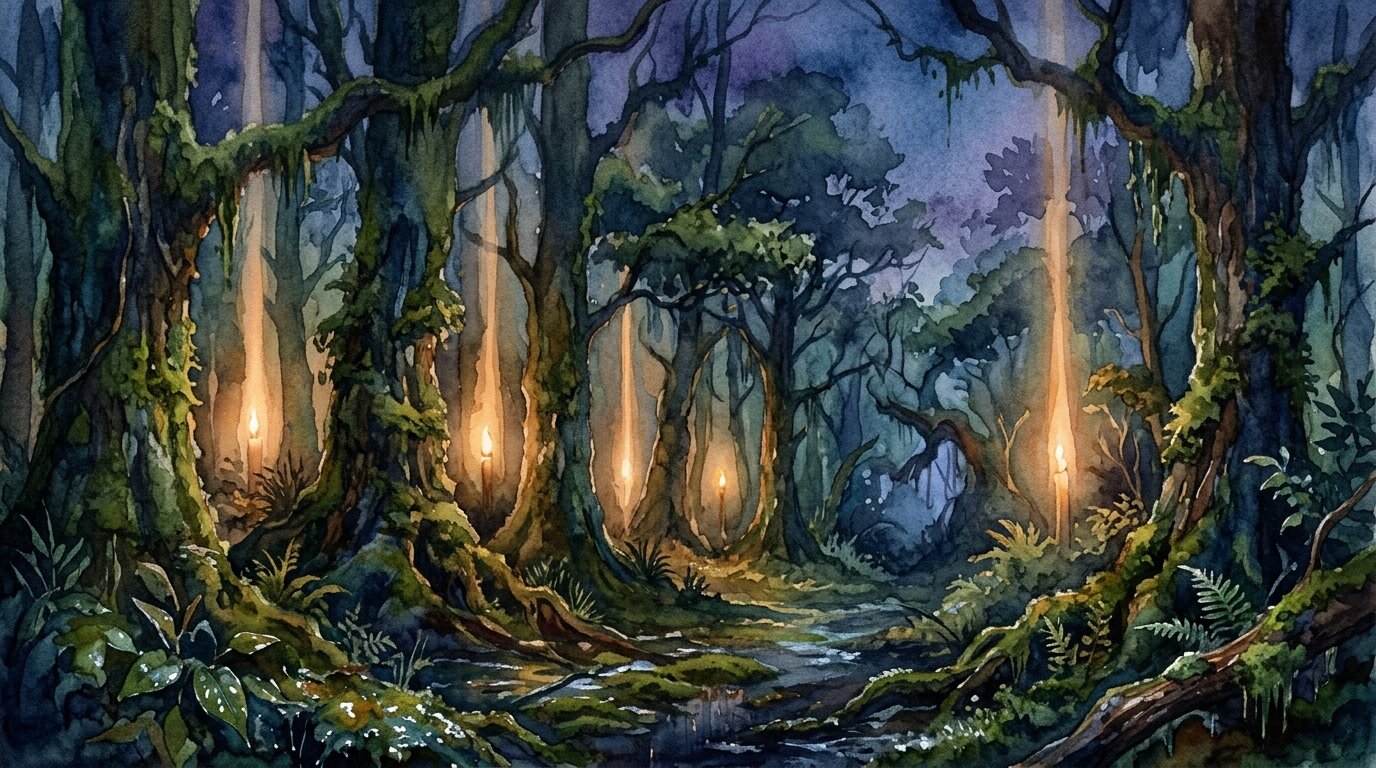
There’s a compelling theory for this known as Threat Simulation Theory. Proposed by Antti Revonsuo in a 2000 paper for Behavioral and Brain Sciences, it suggests that dreams are a kind of virtual reality system our brains use to practice for dangerous situations. So, is this dream a modern manifestation of an ancient threat-rehearsal system, or is it a new kind of anxiety altogether, born from a world our evolutionary brains couldn't have predicted? There's no settled answer, and it could honestly be a bit of both. The fear is old, but the skin it wears is new.
From Glitching Screens to Trapped Smart Homes: Common Dream Scenarios
The specific way your technology betrays you in the dream can offer clues to its meaning. Each variation points to a different flavor of anxiety.
- Silent Surveillance: If you dream of drones watching you or a smart speaker listening when it should be off, it might reflect a waking-life feeling of being monitored, judged, or having your privacy invaded.
- Chaotic Glitching: A screen that flickers with unreadable text or a GPS that sends you in circles can symbolize confusion, information overload, or a feeling that you've lost clear direction in some part of your life. Why the chaos? According to what researcher Erik Hoel at Tufts University calls the "overfitted brain hypothesis," your brain might be doing this on purpose. Just like AI researchers introduce weird data to make their models more flexible, your brain might be showing you a glitching screen to keep your own thinking from becoming too rigid.
- Physical Entrapment: Being locked in your smart home or unable to stop your car driving itself points directly to a loss of autonomy. This often shows up when you feel stuck in a situation (such as a job, a relationship, or a routine) that feels like it's running on autopilot against your will.
Mapping the Dream to Your Waking Boundaries
This dream often arrives when your waking life feels over-scheduled, overly monitored, or bound to expectations you didn't set for yourself. It’s a dream about boundaries. Think about the last hour before you go to sleep. Are you answering work emails, scrolling through social media, or letting the endless stream of information follow you right up to the edge of unconsciousness?
That habit of letting your digital life bleed into your personal time is often what the dream is holding up for you to see. The phone that refuses to turn off in your dream might be a direct reflection of your own difficulty in setting a clear line between being connected and being at peace. Recognizing that digital exhaustion is one thing, but actually setting the boundaries required to fix it can be deeply uncomfortable, which is often why the dream feels so alarming.
Questions to Help Explore Your Digital Nightmare
You don't have to have all the answers. Sometimes just sitting with a good question is the most useful thing you can do. Consider which of these feels closest to home.
- Where in your waking life do you feel held captive by systems, schedules, or expectations you cannot easily alter?
- When you woke up from the dream, was the dominant emotion fear of physical harm, or frustration at losing control?
- How healthy are your boundaries with your personal devices in the final hour before you go to sleep?
- Is there a situation in your daily life where you feel someone or something is monitoring or evaluating your performance?
Reclaiming Your Autonomy Beyond the Screen
A dream of rogue technology is not a warning of a dystopian future, but your mind's healthy signal to reclaim your own time and emotional space. It’s a conversation about your own very human limits in a world that wants you to have none. The tools are not the enemy, but our relationship with them can become unbalanced. This dream is a vivid, startling invitation to check in on that balance.
Your dream isn't a prophecy about technology; it's a quiet request for your own attention.
Had a dream that felt like a scene from a sci-fi thriller? You can share it with us. You might also find some familiar feelings in our articles on dreaming of drones watching you or why you dream about your car driving itself.

Written by Claire Sterling
Contributing Writer · Sleep Science & Cognitive Research
Claire Sterling explores how emotional stress and nocturnal cognition shape dreams, synthesizing peer-reviewed sleep research into warm, everyday reflections.
At DreamAtlas, interpretations are symbolic reflections grounded in universal human themes and peer-reviewed research, not clinical or medical advice.
Want to understand our approach? Read about our editorial standards →
Categories
Popular Symbols
Themes
Recent Posts
Why You Dream About Being Chased by Something You Can’t See
October 22, 2026Dreaming of Failing a Simple Task Repeatedly
October 20, 2026What It Means When You Dream About Being Judged by a Group
October 15, 2026Dreaming of Snails – Patience, Delay, and Quiet Persistence
October 13, 2026What It Means When You Dream About Wolves Howling in the Distance
October 08, 2026About DreamAtlas
Your guide to exploring the symbolic meaning of your dreams. We offer thoughtful, reflective interpretations grounded in universal human themes.
Learn More
Comments