You open your eyes, and your heart is hammering against your ribs. Just a moment ago, you were standing in a room, on a stage, or maybe just in the middle of a crowded street. Suddenly, everything went dead silent. Hundreds of eyes locked onto you. The visceral urge to shrink into the floorboards was overwhelming, and the silence felt heavier than a physical weight. Waking up from a dream where a crowd is staring at you can be incredibly jarring. You might even lie there in the dark for a few minutes, trying to shake off the lingering embarrassment.
But if you are sitting there feeling a little exposed, you can take a deep breath. Dreaming of a staring audience is incredibly common. It usually points to everyday feelings of vulnerability rather than a literal fear of public speaking. We are going to gently explore what this dream might symbolize in your waking life, focusing mostly on the immense pressure we put on ourselves. Just keep in mind that these interpretations explore symbolic possibilities and are not medical or psychological advice.
When the Crowd is Actually Just You
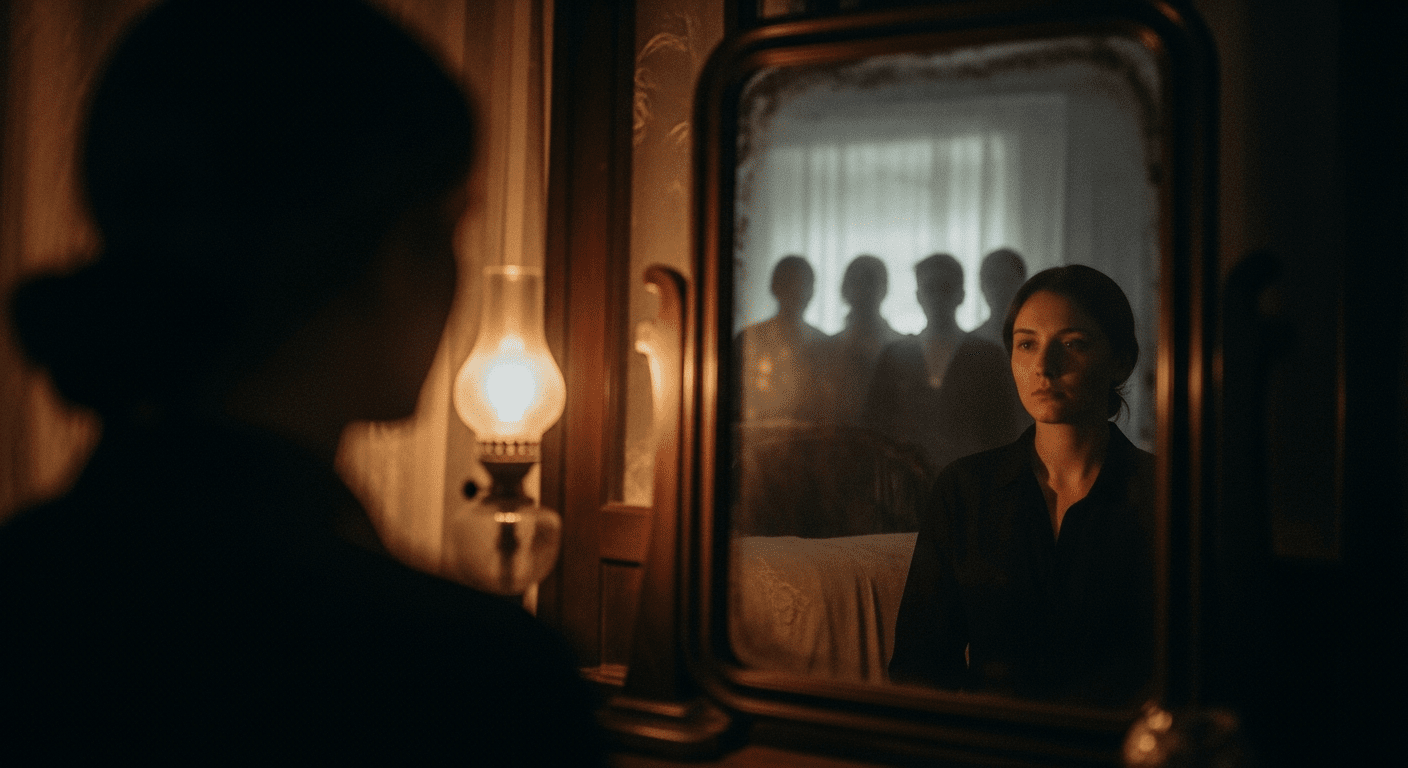
It is easy to assume the judgmental faces in your dream belong to your coworkers, your extended family, or a mob of angry strangers. But most of the time, that audience is entirely self-constructed. They are usually projections of your own inner critic. Psychologists sometimes call this the internalized audience. Think about how you feel when you send an important email and immediately spot a glaring typo. You might spend the next hour convinced everyone in the office is scrutinizing your mistake. Or maybe you are making a big life change, and you feel like everyone is watching to see if you fail.
That waking anxiety does not just turn off when you go to sleep. In fact, researchers analyzing thousands of dream reports found robust support for something called the continuity hypothesis. This is the fascinating idea that our waking social anxieties and vulnerabilities naturally bleed right into our sleep. The things we worry about during the day take on physical shapes at night. The crowd in your dream is made entirely of your own thoughts and absorbed expectations. Because you built the audience, you also hold the power to dismiss them.
The Exhausting Fear of Not Measuring Up
Sometimes this dream stems from the heavy, exhausting feeling that you are somehow faking it. Imposter syndrome is a very real weight to carry. It is that vulnerability of feeling seen before you are truly ready. Picture stepping into a new management role at work, or walking into a room and realizing you are completely underdressed. You end up carrying around this quiet, persistent question in the back of your mind. Am I enough?
Sleep science suggests our brains use the night to work through these exact feelings. Research on emotion regulation during sleep reveals that dreams often act as an overnight pressure valve, helping our minds process and regulate emotional distress. According to sleep neuroscience, when you suppress your insecurities while awake, your brain brings them center stage during REM sleep—the stage where most vivid dreams occur. The brain is simply trying to digest the immense pressure you put on yourself. Having a dream about a crowd judging you does not mean you are actually failing. It just means you care deeply about doing a good job and connecting with the people around you.
The Universal Myth of the Judgment Seat
We all suffer from the spotlight effect from time to time. This is the very human illusion that everyone is paying close attention to our every move. In reality, most people are just worrying about themselves. But our brains are quite literally hardwired to care about social evaluation. Thousands of years ago, our ancestors needed the tribe's approval to survive. Getting kicked out of the group meant facing the wilderness alone. The modern brain still reacts to a boardroom presentation or a crowded party the same way it reacted to the prehistoric campfire.
To keep us socially safe, the mind runs practice scenarios. Studies testing Social Simulation Theory show that dreams disproportionately simulate social events and interactions compared to our waking lives. Your brain is running a dress rehearsal for complex social dynamics. The dream is not a punishment at all. It is just your mind's quirky way of preparing you for the real world. If you think back to the dream, the people in the judgment seat were probably not even doing anything aggressive. The crowd is often just staring blankly, waiting for your cue.
What If You Stare Back at the Crowd?
Dreams can change the moment you realize you have a say in them. What happens if, in the dream or just in your memory of it, you stop shrinking away? Imagine taking a deep breath and simply looking back at the audience. During periods of high real-world stress, our brains actively simulate high-stakes scenarios to help us practice our courage. Research looking at dreams during periods of intense global stress supports this threat simulation function, showing that we rehearse our emotional responses while we sleep.
Much like dreams of being chased by a shadowy figure, a dream about a staring crowd is an invitation to shift the power dynamic. The power of the observer only exists if you accept it. Try a waking-life visualization today. Close your eyes and picture that same crowd, but imagine their faces softening. Watch them shift from harsh judgment to simple, supportive curiosity. They are not waiting for you to fail. They are just watching you grow.
Silencing the Spectators in Your Daily Life
How do we actually take this dream's message and use it? The goal is to shrink the audience in our heads and practice radical self-acceptance. There is an incredible relief that comes with lowering the stakes. Give yourself permission to be messy, to be average, or to still be learning. You do not need to perform for an invisible audience every minute of the day.
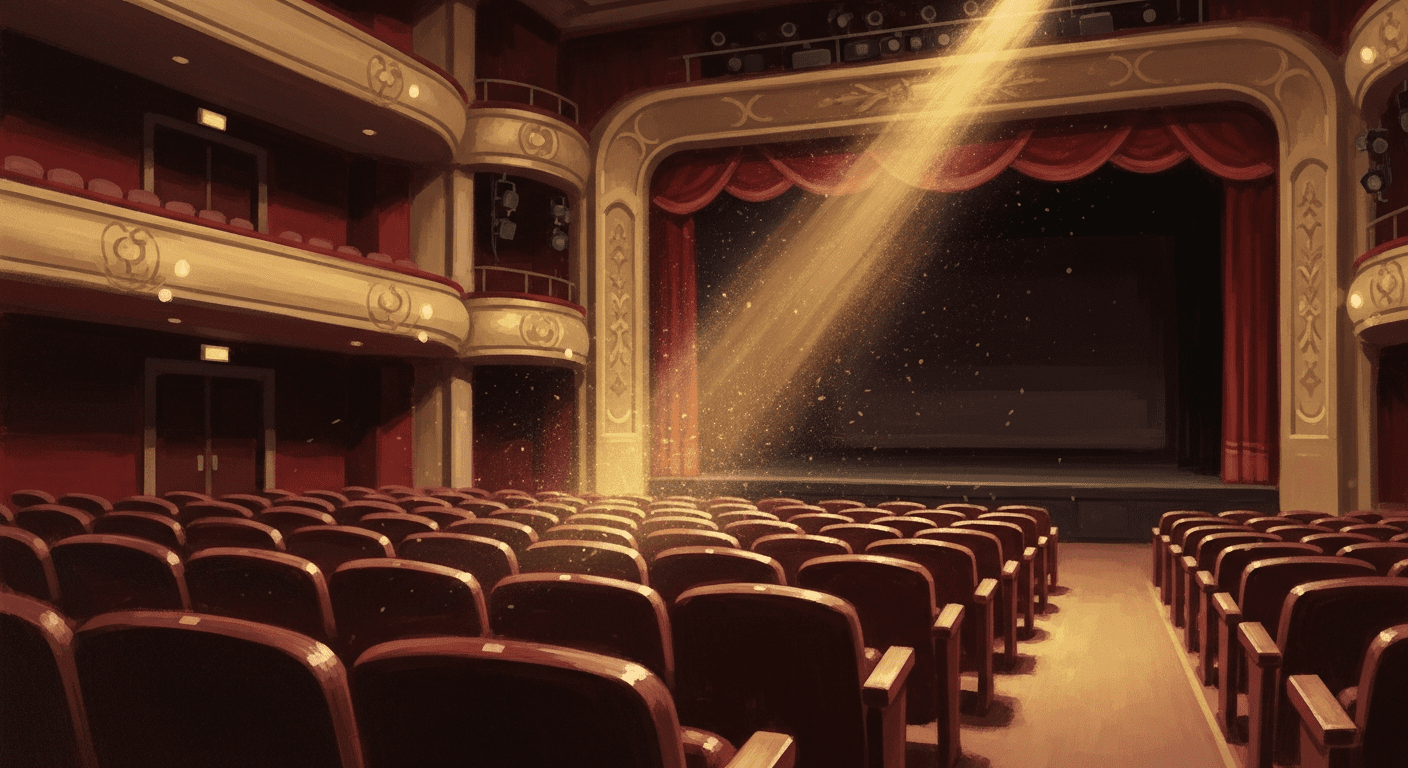
Try a moment of grounding when you feel overwhelmed. Focus only on the front row. These are the few people in your life whose opinions actually matter, the ones who love you and want you to succeed. Let the anonymous masses fade into the background where they belong. The back rows are just filled with strangers and acquaintances whose passing thoughts should not dictate your life. As the director of this play, you have the power to close the curtains on the inner critic whenever you choose.
Questions to Ask Your Inner Critic
It can help to sit with a few questions to see what this dream is trying to tell you. Treat this as a gentle conversation with yourself, not a test. Grab a journal or just think through these points over your morning coffee.
- When you look at the crowd in your dream, are they actually angry, or are you projecting your own disappointment onto them?
- Are you currently stepping into a new phase of life where you feel unusually perceived or exposed?
- Where in your waking life are you performing a role that no longer fits who you really are?
- If the crowd was forced to give you a standing ovation, what accomplishment would you want it to be for?
Making Peace with the Audience Inside
This dream is a vivid, slightly uncomfortable reminder of your own vulnerability. But it is also a beautiful testament to your deep human desire to belong. The crowd is not there to tear you down. They are there because your mind is practicing how to navigate a world you care deeply about. The next time they show up, you can thank them for their concern, and then let them go.
To explore more of your nighttime mind, you might want to browse our other articles on social and anxiety-related dreams at the DreamAtlas blog. If you'd like a personalized symbolic interpretation, you can submit your dream here.

Written by Claire Sterling
Contributing Writer · Sleep Science & Cognitive Research
Claire Sterling explores how emotional stress and nocturnal cognition shape dreams, synthesizing peer-reviewed sleep research into warm, everyday reflections.
At DreamAtlas, interpretations are symbolic reflections grounded in universal human themes and peer-reviewed research, not clinical or medical advice.
Want to understand our approach? Read about our editorial standards →
Categories
Popular Symbols
Themes
Recent Posts
Dreaming of Dolphins – Intelligence, Connection, and Emotional Depth
September 29, 2026What It Means When You Dream About Swarms of Bees
September 24, 2026Dreaming of Owls Watching You Silently
September 22, 2026Why You Dream About Turtles Moving Slowly Beside You
September 17, 2026Dreaming of Horses Running Wild
September 15, 2026About DreamAtlas
Your guide to exploring the symbolic meaning of your dreams. We offer thoughtful, reflective interpretations grounded in universal human themes.
Learn More
Comments